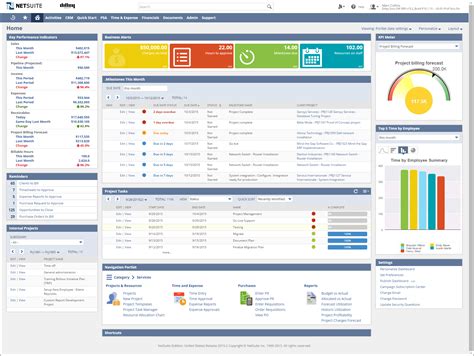
Welcome and greetings to all business owners and managers looking to streamline their operations with Netsuite ERP! In this step-by-step guide, we will walk you through the process of setting up Netsuite ERP for your organization. Whether you are a small startup or a large enterprise, implementing Netsuite ERP can revolutionize the way you handle your finances, inventory, customer relations, and more. Let’s dive in and get your business on the path to success!
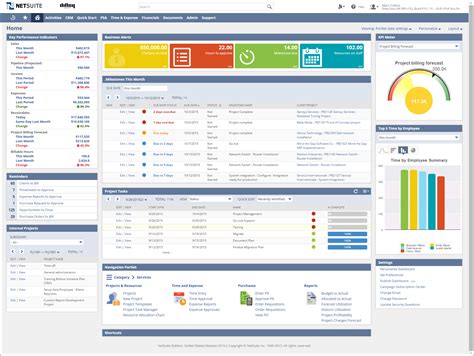
Setting up Netsuite ERP for your business
Setting up Netsuite ERP for your business can be a game-changer, streamlining your operations and providing valuable insights into your company’s performance. To start the setup process, you’ll need to first determine your business requirements and goals. This will help you customize Netsuite to meet your specific needs and ensure a successful implementation.
The next step is to gather all the necessary data and information that will be migrated to Netsuite. This includes customer records, sales orders, inventory data, financial information, and more. Ensuring the accuracy and completeness of this data is crucial for a smooth transition to Netsuite.
Once you have gathered all the necessary data, it’s time to configure Netsuite to reflect your business processes. This involves setting up modules such as accounting, inventory management, sales, and CRM to align with how your business operates. Customizing forms, reports, and workflows will also be key to maximizing the benefits of Netsuite for your business.
Training your team on how to use Netsuite effectively is essential for a successful implementation. Providing hands-on training sessions and resources will help ensure that your employees are comfortable using the system and can take full advantage of its features.
As you start using Netsuite for your day-to-day operations, it’s important to continuously monitor and evaluate its performance. Regularly reviewing and analyzing data will help you identify areas for improvement and make necessary adjustments to optimize the system for your business.
Lastly, don’t hesitate to reach out to Netsuite support or consult with experts in the field if you encounter any challenges or need guidance during the setup process. Their expertise and insights can help you overcome obstacles and make the most out of Netsuite ERP for your business.
Key considerations for implementing Netsuite ERP
When implementing Netsuite ERP, there are several key considerations that should be taken into account to ensure a successful setup and integration into your organization. One of the most important factors to consider is the customization of the system to meet the specific needs of your business. Netsuite ERP is a highly customizable platform that allows you to tailor the system to your unique requirements. This customization can involve anything from creating custom fields and workflows to integrating third-party applications and developing unique reporting capabilities.
Another crucial consideration is data migration. Moving data from your existing systems to Netsuite ERP can be a complex process that requires careful planning and execution. It is important to ensure that your data is clean, accurate, and formatted correctly before migrating it to the new system. This may involve cleansing the data, standardizing data formats, and mapping data fields to their corresponding fields in Netsuite ERP.
Additionally, it is essential to involve key stakeholders in the implementation process. This includes not only IT personnel but also other departments within your organization that will be using the system. Getting buy-in from these stakeholders early on can help ensure a smooth implementation and increase user adoption of the new system. It is important to provide adequate training and support to end-users to help them get up to speed with the new system and maximize its potential.
Integration with other systems is another important consideration. Netsuite ERP can be integrated with a variety of third-party applications and systems to streamline processes and improve efficiency. However, it is important to carefully plan and test these integrations to ensure that they work seamlessly with Netsuite ERP and meet your business requirements.
Lastly, it is crucial to define clear goals and objectives for the implementation of Netsuite ERP. This includes defining key performance indicators (KPIs) and metrics to measure the success of the project. By setting clear goals and objectives, you can track progress, identify areas for improvement, and ensure that the implementation of Netsuite ERP aligns with your overall business strategy.
In conclusion, implementing Netsuite ERP requires careful planning, attention to detail, and collaboration with key stakeholders. By considering these key factors and following best practices, you can set your organization up for success with Netsuite ERP and maximize the benefits of this powerful ERP system.
Customizing Netsuite ERP to fit your business needs
When it comes to setting up Netsuite ERP for your business, customization is key to ensuring that the system fits your unique needs and requirements. Whether you are a small startup or a large enterprise, customizing Netsuite ERP can help you streamline your business processes, improve efficiency, and drive growth.
One of the key benefits of Netsuite ERP is its flexibility and scalability, which allows businesses to tailor the system to their specific needs. This means that you can customize Netsuite ERP to match your industry, business model, and workflows, ensuring that it meets your exact requirements.
There are several ways you can customize Netsuite ERP to fit your business needs. One option is to create custom fields, forms, and records that are specific to your business. This can help you capture data that is relevant to your operations and make it easier to track and analyze information.
Another way to customize Netsuite ERP is to create custom workflows and automations that reflect your business processes. By setting up workflows that are tailored to your specific requirements, you can automate repetitive tasks, streamline operations, and ensure consistency across your organization.
Customizing Netsuite ERP also allows you to integrate third-party applications and systems that are critical to your business. By connecting Netsuite ERP with other tools and platforms, you can create a seamless and integrated business environment that provides a comprehensive view of your operations.
Furthermore, customization can help you enhance the user experience for your employees, customers, and partners. By tailoring the interface, dashboards, and reports in Netsuite ERP to suit your needs, you can improve usability, accessibility, and engagement, driving greater adoption and satisfaction.
Overall, customizing Netsuite ERP to fit your business needs is essential for maximizing the value of the system and achieving your business goals. By taking advantage of the flexibility and scalability of Netsuite ERP, you can create a tailored solution that empowers your organization to succeed in today’s competitive business landscape.
Maximizing the benefits of Netsuite ERP through proper setup
Implementing a Netsuite ERP system can greatly benefit your business in terms of efficiency, accuracy, and overall performance. However, simply having the system in place is not enough to fully reap the rewards. It is crucial to ensure that the setup is done properly in order to maximize the benefits of the system.
Here are some key tips for optimizing your Netsuite ERP setup:
1. Define your goals and objectives: Before diving into the setup process, it is important to clearly define your business goals and objectives. This will help guide the configuration of the system and ensure that it aligns with your specific needs and requirements.
2. Customize your settings: Netsuite ERP offers a wide range of customization options that allow you to tailor the system to your business needs. Take advantage of these settings to configure the system in a way that best suits your operations.
3. Ensure data accuracy: Data integrity is crucial for the success of any ERP system. Make sure to cleanse and de-duplicate your data before migrating it to Netsuite ERP. Regularly audit and monitor your data to ensure that it remains accurate and up-to-date.
4. Train and empower your employees: One of the key factors in maximizing the benefits of Netsuite ERP is ensuring that your employees are fully trained and empowered to use the system effectively. Provide comprehensive training sessions to familiarize them with the system and its features. Encourage ongoing learning and skill development to ensure that your team can make the most of Netsuite ERP.
By investing time and effort into properly setting up your Netsuite ERP system, you can ensure that it serves as a powerful tool for driving business growth and success. With a well-configured system and a team of knowledgeable users, you can maximize the benefits of Netsuite ERP and take your business to the next level.
Ensuring a smooth transition to Netsuite ERP with the right setup approach
Transitioning to a new ERP system can be a daunting task for any organization. However, with the right setup approach, the process can be smoother and more efficient. Here are some key steps to ensure a successful transition to Netsuite ERP:
1. Determine your business requirements: Before moving forward with the implementation of Netsuite ERP, it is essential to clearly define your organization’s business requirements. This includes understanding your current processes, identifying areas for improvement, and setting clear goals for the new system. By taking the time to evaluate your needs, you can ensure that Netsuite ERP is configured to meet your business objectives.
2. Engage key stakeholders: In order to successfully implement Netsuite ERP, it is crucial to involve key stakeholders from all levels of the organization. This includes executives, managers, and end-users who will be directly impacted by the new system. By engaging stakeholders early on in the process, you can gain valuable insights into their needs and concerns, and ensure that the system is tailored to meet their requirements.
3. Select the right implementation team: The success of a Netsuite ERP implementation largely depends on the expertise of the implementation team. It is important to carefully select a team of experienced professionals who have a deep understanding of the Netsuite platform and your industry. By working with a skilled implementation team, you can ensure that the system is set up correctly and that any issues are addressed promptly.
4. Develop a detailed implementation plan: Once you have defined your business requirements, engaged key stakeholders, and assembled an experienced implementation team, it is time to develop a detailed implementation plan. This plan should outline the specific tasks, timelines, and responsibilities associated with the implementation of Netsuite ERP. By having a clear roadmap in place, you can ensure that the project stays on track and that any potential challenges are addressed proactively.
5. Provide comprehensive training and support: One of the most critical aspects of a successful Netsuite ERP implementation is providing comprehensive training and support to end-users. After the system has been set up, it is essential to offer training sessions to help employees understand how to use the new system effectively. Additionally, ongoing support should be available to address any questions or issues that may arise. By investing in training and support, you can ensure that employees are comfortable with the new system and that the transition is smooth and successful.
By following these key steps and taking a thoughtful approach to setting up Netsuite ERP, organizations can ensure a smooth transition to the new system. With the right setup approach, businesses can maximize the benefits of Netsuite ERP and position themselves for long-term success.