
Welcome to the world of ERP software in Dubai, where businesses are unlocking new levels of efficiency and productivity. In a city known for its fast-paced business environment, having the right tools can make all the difference. ERP software streamlines processes, improves decision-making, and enhances communication across departments. With the help of this powerful technology, businesses in Dubai are able to stay ahead of the competition and reach new heights of success.
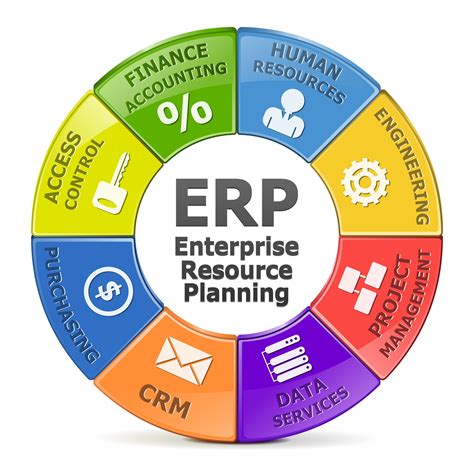
Overview of ERP Software in Dubai
Enterprise Resource Planning (ERP) software plays a crucial role in streamlining business processes, enhancing productivity, and improving decision-making in organizations across the globe. In Dubai, a thriving business hub known for its innovation and technological advancements, the adoption of ERP software has become increasingly prevalent among companies of all sizes and industries.
ERP software in Dubai offers a comprehensive suite of applications that integrate various functions such as finance, human resources, supply chain management, and customer relationship management into a single platform. This integrated approach helps organizations to centralize their data, streamline operations, and improve collaboration among different departments.
One of the key benefits of using ERP software in Dubai is the automation of business processes, which results in increased efficiency and reduced manual errors. For example, financial management modules help organizations to automate accounting tasks, generate financial reports, and track expenses in real-time. Similarly, human resources modules enable companies to streamline recruitment processes, manage employee records, and track performance evaluations.
Another advantage of ERP software in Dubai is the ability to gain real-time insights into business operations through customizable dashboards and reporting tools. These tools allow organizations to monitor key performance indicators, track sales trends, and forecast future demand accurately. By having access to up-to-date data, decision-makers can make informed choices that drive business growth and profitability.
Furthermore, ERP software in Dubai promotes better collaboration among employees by providing a centralized platform for communication and project management. With features such as document sharing, task assignment, and workflow automation, teams can work together more efficiently and effectively, regardless of their physical location.
In addition to improving operational efficiency, ERP software in Dubai also helps organizations to comply with local regulations and international standards. With built-in compliance features and audit trails, companies can ensure data security, adhere to legal requirements, and maintain transparency in their business practices.
Overall, ERP software has become a cornerstone of business success in Dubai, enabling organizations to stay competitive in a rapidly evolving market. By leveraging ERP solutions, companies can enhance their operational processes, boost employee productivity, and drive sustainable growth in the digital age.
Benefits of Implementing ERP in Dubai
Implementing ERP software in Dubai can bring numerous benefits to businesses operating in the region. From improved efficiency to enhanced decision-making capabilities, here are some key advantages of using ERP in the Dubai market:
1. Streamlined Business Processes: One of the primary benefits of implementing ERP software in Dubai is the streamlining of business processes. ERP allows for the automation of various tasks such as inventory management, order processing, and financial reporting. This automation leads to increased efficiency and reduced operational costs, ultimately resulting in improved productivity.
2. Enhanced Data Visibility and Reporting: With ERP software, businesses in Dubai can gain real-time visibility into their operations through comprehensive reporting and analytics capabilities. This enhanced visibility allows decision-makers to access accurate data quickly, enabling them to make informed decisions promptly. Additionally, ERP systems offer customizable reporting features, allowing organizations to generate tailored reports based on specific requirements. This in-depth data analysis can help businesses identify trends, anticipate market changes, and optimize their processes for better performance.
3. Improved Collaboration and Communication: ERP software facilitates seamless communication and collaboration among different departments within an organization. By centralizing data and providing a single source of truth, ERP systems enable employees to access information easily and work together more effectively. This enhanced collaboration leads to better coordination, reduced errors, and faster decision-making, ultimately benefiting the overall business operations.
4. Regulatory Compliance: Compliance with local laws and regulations is crucial for businesses in Dubai. ERP software can help organizations ensure regulatory compliance by providing features such as audit trails, security controls, and data encryption. With these tools in place, businesses can mitigate risks associated with non-compliance and protect sensitive information, ultimately fostering trust with customers and stakeholders.
5. Scalability and Flexibility: As businesses in Dubai evolve and grow, their requirements change as well. ERP software offers scalability and flexibility to accommodate the changing needs of organizations. Whether it is expanding into new markets, adding new product lines, or integrating with third-party applications, ERP systems provide the agility and adaptability required to support business growth and innovation.
6. Cost Savings: While initial investments in ERP software may seem substantial, the long-term cost savings outweigh the upfront expenses. By automating manual processes, reducing errors, and improving efficiency, ERP systems help businesses save costs in the long run. Additionally, integrated systems eliminate the need for multiple software solutions, reducing licensing fees and maintenance costs. Overall, implementing ERP software in Dubai can lead to significant cost savings and improved profitability for businesses.
In conclusion, the benefits of implementing ERP software in Dubai are plentiful. From streamlining business processes to enhancing collaboration and communication, ERP systems offer a wide range of advantages for businesses in the region. By leveraging the capabilities of ERP, organizations in Dubai can improve efficiency, drive growth, and stay competitive in the market.
Top ERP Software Providers in Dubai
When it comes to choosing an ERP software provider in Dubai, there are several top companies that stand out. These providers offer a range of solutions designed to meet the specific needs of businesses in the region. Here are three of the top ERP software providers in Dubai:
1. SAP: SAP is a global leader in enterprise software solutions and has a strong presence in Dubai. The company offers a range of ERP solutions tailored to various industries, including manufacturing, retail, and finance. SAP’s ERP systems are known for their flexibility, scalability, and integration capabilities, making them a popular choice for businesses of all sizes in Dubai.
2. Microsoft Dynamics 365: Microsoft Dynamics 365 is another popular ERP software provider in Dubai. The platform offers a range of ERP solutions that can be customized to meet the unique needs of businesses in the region. With features such as financial management, supply chain management, and customer relationship management, Microsoft Dynamics 365 is a comprehensive solution for businesses looking to streamline their operations and improve efficiency.
3. Oracle NetSuite: Oracle NetSuite is a cloud-based ERP software provider that is gaining popularity in Dubai. The platform offers a range of ERP solutions designed to help businesses manage their finances, operations, and customer relationships in one integrated system. Oracle NetSuite’s cloud-based approach makes it easy for businesses to access their ERP system from anywhere, at any time, making it a convenient choice for companies with remote or distributed teams.
In addition to these top ERP software providers, there are several other companies in Dubai that offer ERP solutions tailored to the specific needs of businesses in the region. Whether you are looking for a comprehensive ERP system from a global leader like SAP or Microsoft, or a cloud-based solution from a provider like Oracle NetSuite, there are plenty of options to choose from when it comes to finding the right ERP software provider for your business in Dubai.
Key Features to Look for in ERP Software in Dubai
When searching for ERP software in Dubai, there are several key features that businesses should consider to ensure they are making the right choice for their operations. From integration capabilities to advanced reporting tools, here are some important features to look for:
1. Integration with Existing Systems: One of the essential features to look for in ERP software is its ability to integrate seamlessly with your existing systems. This ensures a smooth transition and avoids any disruptions to your workflow. Look for software that offers APIs and connectors to easily integrate with your current tools and platforms.
2. Customization Options: Every business is unique, so it’s important to choose ERP software that can be customized to fit your specific needs. Look for software that allows for easy customization of workflows, dashboards, and reports to align with your business processes.
3. Scalability: As your business grows, your ERP software should be able to scale with you. Look for software that offers scalability options to accommodate your increasing data volume, user base, and business operations. This ensures that you won’t outgrow your ERP solution in the future.
4. Mobile Accessibility: In today’s digital age, mobility is crucial for businesses to stay connected and productive. Look for ERP software that offers mobile accessibility, allowing users to access important data and features on-the-go from their smartphones or tablets. This feature is particularly beneficial for employees who work remotely or travel frequently.
Overall, when selecting ERP software in Dubai, businesses should prioritize features that enhance efficiency, streamline processes, and support their growth. By considering these key features, organizations can choose a software solution that meets their current needs and prepares them for future success.
Challenges of Implementing ERP in Dubai Business Systems
Implementing an ERP system in Dubai business systems comes with its own set of challenges. While ERP software can streamline operations and improve efficiency, there are several obstacles that businesses in Dubai may face during the implementation process.
1. Cultural Differences: Dubai is a melting pot of cultures, with a diverse workforce that may have different ways of working and communicating. Implementing an ERP system requires change management and effective communication to ensure that all employees are on board with the new system.
2. Compliance with Local Regulations: Dubai has strict regulations when it comes to data privacy and security. Businesses need to ensure that their ERP system complies with local laws and regulations to avoid any legal issues.
3. Integration with Existing Systems: Many businesses in Dubai may already have legacy systems in place that need to be integrated with the new ERP system. This can be a complex process that requires careful planning and coordination.
4. Training and Education: Implementing an ERP system requires training employees on how to use the new software effectively. Businesses in Dubai may face challenges in ensuring that all employees are adequately trained and proficient in using the new system.
5. Language and Localization: One of the key challenges in implementing ERP software in Dubai is the language barrier. While English is widely spoken in business settings, many employees may feel more comfortable using software in their native language. This can pose a challenge in finding ERP software that supports Arabic or other local languages.
In addition to language, businesses in Dubai may also need to consider local customs and business practices when implementing an ERP system. Customizing the software to meet the specific needs of the Dubai market can be a time-consuming process that requires careful planning and coordination.
Despite these challenges, implementing an ERP system in Dubai business systems can bring numerous benefits, including improved efficiency, streamlined operations, and better decision-making. By addressing these challenges proactively and working with an experienced ERP provider, businesses in Dubai can successfully implement an ERP system that meets their needs and helps them stay competitive in the market.