
Welcome and get ready to dive into the world of ERP systems! Today, we will be exploring the importance of ERP IDs and why they are crucial for the smooth operation of your business. ERP, which stands for Enterprise Resource Planning, is a powerful tool that helps companies manage their resources and streamline operations. ERP IDs play a key role in this process, serving as unique identifiers for different data points within the system. Let’s take a closer look at why understanding ERP IDs is essential for maximizing the benefits of your ERP system.
Understanding ERP IDs
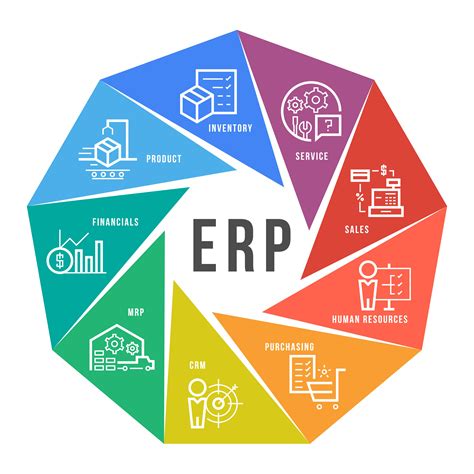
Enterprise Resource Planning (ERP) systems are utilized by businesses to integrate and manage various crucial functions such as finance, human resources, inventory management, and customer relationship management. In order to efficiently track and manage data within these systems, ERP IDs are used to uniquely identify each component, whether it be an employee, transaction, or inventory item.
ERP IDs are alphanumeric codes assigned to each record within the ERP system, allowing for easy retrieval and organization of data. These IDs are typically generated automatically by the ERP system itself, following a specific format set by the organization. For example, an employee ID may consist of the employee’s initials followed by a sequential number, ensuring that each employee is uniquely identified within the system.
One of the key benefits of using ERP IDs is their ability to streamline processes and improve data accuracy. By assigning unique IDs to each component within the system, businesses can easily track transactions, monitor inventory levels, and analyze performance metrics. This not only enhances operational efficiency but also helps in identifying and resolving any discrepancies or errors in the data.
Furthermore, ERP IDs play a vital role in facilitating communication and collaboration across different departments within an organization. When each department uses the same identification system, it becomes easier to share information and work together towards achieving common goals. For instance, a sales team can easily reference a customer’s ID number to view their purchase history, enabling them to provide better service and personalized recommendations.
Additionally, ERP IDs can also enhance security and data integrity within the system. By assigning unique identifiers to each record, organizations can restrict access to sensitive information and ensure that data is only accessed by authorized personnel. This helps in preventing data breaches and unauthorized modifications, safeguarding the organization’s valuable information.
In conclusion, ERP IDs are essential components of Enterprise Resource Planning systems that help businesses efficiently manage data, improve processes, and enhance collaboration. By understanding the significance of ERP IDs and incorporating them into everyday operations, organizations can reap the benefits of streamlined workflows, enhanced data accuracy, and strengthened security measures.
Importance of ERP IDs in Data Management
ERP IDs play a crucial role in data management as they serve as unique identifiers for various types of information within an organization. These IDs are essential for tracking and organizing data effectively, ensuring that it is stored in the right place and can be easily accessed when needed. Without ERP IDs, data can quickly become disorganized and difficult to manage, leading to inefficiencies in business operations.
One of the key benefits of using ERP IDs in data management is improved accuracy and consistency. By assigning a unique ID to each piece of data, organizations can avoid duplication and ensure that the information is always up-to-date. This is especially important in industries where accuracy is critical, such as healthcare or finance. ERP IDs also help streamline data entry processes, reducing the risk of errors and improving overall data quality.
Furthermore, ERP IDs make it easier to track the flow of data within an organization. By following the unique IDs assigned to different data sets, businesses can easily trace the origin of information, monitor its movement throughout the organization, and identify any potential bottlenecks or gaps in the data management process. This level of transparency is invaluable for ensuring data integrity and security.
In addition to improving data accuracy and transparency, ERP IDs also enhance data security. By assigning a unique identifier to each piece of data, organizations can track access rights and permissions more effectively, ensuring that sensitive information is only accessed by authorized personnel. This helps reduce the risk of data breaches and unauthorized access, safeguarding the organization’s valuable assets and maintaining compliance with industry regulations.
Another important aspect of ERP IDs in data management is their role in facilitating data analysis and reporting. By using unique IDs to link related data sets, organizations can easily create reports and generate insights that help drive informed decision-making. This is especially important in today’s data-driven business environment, where quick access to accurate and relevant information is key to staying competitive.
Overall, ERP IDs are essential for effective data management within organizations. By providing a unique identifier for each piece of information, ERP IDs help improve data accuracy, consistency, transparency, security, and analysis. These benefits not only streamline business operations but also enable organizations to make better-informed decisions and ultimately drive success in today’s data-driven world.
Best Practices for Creating ERP IDs
When it comes to creating ERP IDs, there are several best practices that can help ensure efficiency and organization within an enterprise. Here are some key tips to keep in mind:
1. Use a Consistent Naming Convention: One of the most important aspects of creating ERP IDs is to establish a consistent naming convention. This means that all IDs should follow the same format and structure to avoid any confusion or errors. For example, you may choose to use a combination of letters and numbers that represent specific categories or departments within your organization.
2. Avoid Special Characters: While it may be tempting to use special characters or symbols in your ERP IDs, it is best to stick to letters and numbers for ease of use. Special characters can sometimes cause issues with certain systems or software, so it is best to keep things simple and straightforward.
3. Include Timestamps: To add an extra layer of organization and tracking to your ERP IDs, consider including timestamps in the format. This can help you easily identify when a specific ID was created or last updated, which can be especially useful for auditing purposes or tracking changes over time. For example, you may choose to include the year and month in the ID code to indicate when it was generated.
4. Limit the Length: While it may be tempting to include a lot of information in your ERP IDs, it is best to keep them concise and to the point. Long IDs can be difficult to read and manage, so aim for a reasonable length that provides enough information without being overwhelming. This will also help ensure that the IDs can be easily entered into systems or databases without any issues.
5. Regularly Review and Update: As your organization evolves and changes, it is important to regularly review and update your ERP IDs to ensure they remain accurate and relevant. This may involve revising naming conventions, adding new categories, or removing outdated IDs. By staying proactive in managing your ERP IDs, you can help maintain a streamlined and efficient system for your enterprise.
By following these best practices for creating ERP IDs, you can help ensure that your organization remains organized, efficient, and well-prepared for any future challenges. Remember to consult with your IT team or ERP vendor for additional guidance on implementing these strategies within your specific system. With careful planning and attention to detail, you can create a robust ID system that meets the needs of your enterprise now and in the future.
Efficient Usage of ERP IDs in Business Processes
ERP IDs, or Enterprise Resource Planning IDs, play a crucial role in streamlining business processes and improving operational efficiency. These unique identifiers are assigned to each piece of data within an ERP system, allowing businesses to easily track and manage information related to customers, orders, inventory, and more. In this article, we will discuss the efficient usage of ERP IDs in various business processes.
1. Accuracy in Data Tracking
One of the key benefits of using ERP IDs is the ability to accurately track data throughout the entire business process. By assigning a unique ID to each transaction or piece of information, businesses can easily trace the movement of data from one department to another. This ensures that data is not lost or duplicated, leading to more accurate and reliable reporting.
2. Improved Inventory Management
ERP IDs are particularly useful for improving inventory management processes. By assigning a unique ID to each product in the inventory, businesses can easily track the movement of goods from the warehouse to the customer. This helps in maintaining optimal inventory levels, reducing stockouts, and improving overall supply chain efficiency.
3. Enhanced Customer Service
Another benefit of using ERP IDs is the ability to provide better customer service. By associating customer information with unique IDs, businesses can track customer interactions, orders, and preferences more effectively. This allows businesses to personalize customer experiences, resolve issues quickly, and build stronger relationships with their customers.
4. Streamlined Reporting and Analysis
Efficient usage of ERP IDs can greatly streamline reporting and analysis processes within a business. By assigning unique IDs to each piece of data, businesses can easily consolidate information from different departments and generate comprehensive reports. This helps in identifying trends, monitoring key performance indicators, and making data-driven decisions.
Furthermore, ERP IDs can also help in improving data accuracy and reducing the time spent on manual data entry and manipulation. With automated data capture and processing, businesses can minimize errors and ensure that reports are based on up-to-date and reliable information.
Overall, the efficient usage of ERP IDs in business processes can lead to improved operational efficiency, better decision-making, and enhanced customer satisfaction. By leveraging the power of unique identifiers, businesses can streamline their processes, optimize resource utilization, and stay ahead of the competition in today’s fast-paced business environment.
Securing ERP IDs to Protect Sensitive Information
Enterprise Resource Planning (ERP) systems are vital tools for organizations to manage their business processes efficiently. However, these systems contain a wealth of sensitive information that needs to be protected from unauthorized access. One important aspect of securing ERP systems is safeguarding the IDs used to access them.
ERP IDs are essentially the keys to the kingdom when it comes to accessing an organization’s critical data and processes. If these IDs fall into the wrong hands, it could result in data breaches, financial losses, and reputational damage. Therefore, it is crucial for organizations to implement robust security measures to protect their ERP IDs.
One of the first steps in securing ERP IDs is to enforce strong password policies. This means requiring users to create complex passwords that are difficult to guess. Passwords should be a mix of letters, numbers, and special characters, and should be changed regularly. Additionally, organizations should consider implementing multi-factor authentication, which requires users to provide more than one form of verification before accessing the ERP system.
Another important measure to secure ERP IDs is to limit access privileges. Not every employee needs full access to the ERP system, so organizations should restrict user permissions based on their roles and responsibilities. By implementing role-based access controls, organizations can ensure that employees only have access to the information and processes necessary for their job functions.
Regular monitoring and auditing of ERP IDs are also essential for maintaining security. Organizations should track user activity within the ERP system and monitor for any unusual behavior that could indicate a security breach. By regularly reviewing access logs and conducting audits, organizations can quickly identify and address any potential vulnerabilities in their ERP system.
Encrypting ERP IDs and other sensitive information is another crucial step in protecting them from unauthorized access. Encryption scrambles data so that it can only be read by authorized users with the proper decryption key. By encrypting ERP IDs both at rest and in transit, organizations can ensure that even if the data is compromised, it remains secure and protected.
Lastly, organizations should prioritize employee training and awareness when it comes to securing ERP IDs. Employees are often the weakest link in an organization’s security posture, so it is essential to educate them on the importance of protecting their IDs and practicing good security hygiene. Training should cover topics such as phishing awareness, password best practices, and the importance of reporting any suspicious activity.
In conclusion, securing ERP IDs is crucial for protecting sensitive information and maintaining the integrity of an organization’s business processes. By implementing strong password policies, limiting access privileges, monitoring user activity, encrypting data, and providing employee training, organizations can significantly reduce the risk of unauthorized access to their ERP systems.