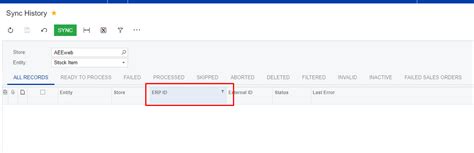
Hey there! Have you ever wondered how a simple set of numbers and letters can make such a big impact on a company’s operations? Well, that’s where ERP IDs come into play. These unique identifiers are crucial in streamlining business processes and ensuring seamless integration across departments. From tracking inventory to managing customer orders, ERP IDs play a vital role in making sure everything runs smoothly. Let’s dive into the world of ERP IDs and explore why they are so essential in modern business operations.
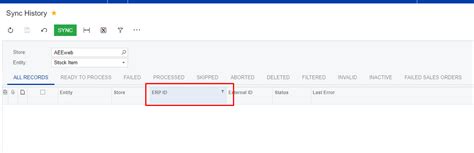
Understanding ERP ID
ERP ID, short for Enterprise Resource Planning Identification, is a unique identifier given to each user within an ERP system. This ID serves as a key component in ensuring secure access to the ERP system and allows for tracking and managing user activities. When a user logs into the ERP system, they are required to enter their ERP ID along with a password to authenticate their identity.
The ERP ID is typically generated by the ERP system administrator during the user onboarding process. It is important for the ERP ID to be unique to each user to prevent any mix-ups or confusion. This unique identifier helps in assigning roles, permissions, and responsibilities to different users within the organization.
Having a unique ERP ID also enables administrators to easily track and monitor the activities of individual users within the ERP system. This can be helpful in identifying any unauthorized access or unusual behavior that may pose a security risk to the organization’s data and operations. By keeping a log of user activities associated with their ERP ID, administrators can quickly investigate any suspicious actions and take necessary measures to protect the system.
Furthermore, the ERP ID plays a crucial role in maintaining data integrity and accuracy within the ERP system. By assigning specific IDs to users, it becomes easier to trace back changes made to the data and identify who made them. This helps in ensuring accountability and transparency in the organization’s data management practices.
Overall, understanding the significance of ERP ID is essential for users and administrators alike. It not only facilitates secure access to the ERP system but also aids in monitoring user activities, maintaining data integrity, and enhancing overall system security. By recognizing the importance of ERP ID and adhering to proper protocols for its usage, organizations can ensure smooth and efficient operation of their ERP systems.
Importance of ERP Identification
ERP identification is a crucial aspect of any business that utilizes Enterprise Resource Planning systems. By having a unique ERP ID assigned to each employee, department, or project within the system, companies can streamline their operations, increase efficiency, and enhance data security.
First and foremost, ERP identification helps businesses organize their data effectively. By assigning an ERP ID to each piece of information within the system, such as customer records, sales transactions, or inventory items, companies can easily track and manage their data. This ensures that employees can quickly access the information they need, reducing the time spent searching for relevant data and improving overall productivity.
Moreover, ERP identification helps businesses improve their decision-making processes. With a unique ID assigned to each data point, companies can easily analyze trends, monitor performance, and identify areas for improvement within their operations. This allows businesses to make more informed decisions, optimize their processes, and drive growth and innovation.
Another key benefit of ERP identification is enhanced data security. By assigning unique IDs to users, departments, or projects within the system, businesses can control access to sensitive information and prevent unauthorized users from viewing or modifying crucial data. This helps companies protect their data from security breaches, safeguarding their reputation and ensuring compliance with industry regulations.
Additionally, ERP identification facilitates collaboration among employees and departments within the organization. By assigning unique IDs to individuals or teams working on a project, companies can easily track their contributions, monitor progress, and ensure accountability. This encourages teamwork, improves communication, and fosters a culture of collaboration within the organization.
Overall, ERP identification plays a vital role in improving the efficiency, security, and collaboration within businesses that utilize Enterprise Resource Planning systems. By assigning unique IDs to data points, employees, departments, or projects within the system, companies can streamline their operations, make informed decisions, and protect their data from security threats. Embracing ERP identification can help businesses stay competitive in today’s fast-paced and data-driven business environment.
Implementing ERP ID in Your System
Implementing an ERP ID in your system is a crucial step towards improving efficiency and streamlining processes within your organization. ERP ID stands for Enterprise Resource Planning Identification, and it serves as a unique identifier for each user or entity within the ERP system. It allows for easier tracking of transactions, better security measures, and improved data management.
There are several key steps to consider when implementing an ERP ID in your system. Firstly, you need to establish clear guidelines and procedures for creating and managing ERP IDs. This includes determining who has the authority to create new IDs, how they should be assigned, and what security measures are in place to protect them.
Secondly, it is important to integrate the ERP ID system with other existing systems within your organization. This will ensure seamless communication and data sharing between different departments and functions. It is also crucial to provide training and support to employees on how to use the ERP ID system effectively.
Lastly, it is essential to regularly review and update the ERP ID system to ensure that it remains accurate and up-to-date. This includes auditing user access, deactivating IDs for employees who have left the organization, and implementing measures to prevent unauthorized access.
By implementing an ERP ID in your system, you can unlock a host of benefits for your organization. Improved data accuracy, enhanced security, and streamlined processes are just a few of the advantages that come with a well-implemented ERP ID system. Take the time to carefully plan and execute the implementation process to maximize the benefits for your organization.
Security Measures for ERP ID Management
When it comes to managing ERP IDs, security is of utmost importance. Without proper measures in place, sensitive company information could be compromised, leading to data breaches and potential financial loss. To prevent such risks, organizations must implement effective security measures for ERP ID management. Here are some key practices to ensure the security of ERP IDs:
1. Role-based Access Control:
One essential security measure for ERP ID management is implementing role-based access control. This involves assigning specific permissions and roles to each user based on their job responsibilities. By limiting access to only the necessary functions and data, organizations can reduce the risk of unauthorized access and potential breaches. Role-based access control also helps in tracking user activities and identifying any unusual behavior that may indicate a security threat.
2. Strong Password Policies:
Another crucial aspect of ERP ID security is enforcing strong password policies. Organizations should require users to create complex passwords that include a mix of letters, numbers, and special characters. Regular password changes and restrictions on password reuse can further enhance security. Additionally, implementing multi-factor authentication adds an extra layer of security by requiring users to verify their identity through a secondary method, such as a code sent to their mobile device.
3. Regular Monitoring and Auditing:
Continuous monitoring and auditing of ERP IDs are essential to detect any security incidents or compliance violations promptly. Organizations should regularly review access logs, monitor user activities, and conduct periodic audits to ensure that ERP ID management practices are being followed and that no unauthorized access has occurred. By staying vigilant and proactive, organizations can identify security vulnerabilities and address them before they are exploited by malicious actors.
4. Employee Training and Awareness:
One often overlooked aspect of ERP ID security is employee training and awareness. Organizations should provide comprehensive training to employees on the importance of secure ERP ID management practices and the potential risks associated with improper handling of IDs. Employees should be educated on how to create strong passwords, recognize phishing attempts, and report any suspicious activity promptly. By fostering a culture of security awareness, organizations can empower employees to play an active role in protecting sensitive company information.
Integrating ERP ID with Other Systems and Applications
ERP ID systems are designed to streamline business processes and improve efficiency, but in today’s interconnected world, integrating ERP ID with other systems and applications is essential for maximizing its benefits. By connecting ERP ID with different systems, such as CRM, HR, and supply chain management, businesses can ensure a seamless flow of information across departments and facilitate data sharing.
One of the key advantages of integrating ERP ID with other systems is the ability to centralize data and create a single source of truth for all business operations. This means that employees across different departments can access the same up-to-date information, leading to better decision-making and increased productivity. For example, by integrating ERP ID with a CRM system, sales teams can have real-time access to customer data and track sales orders more efficiently.
Another benefit of integrating ERP ID with other systems is the automation of processes. By connecting ERP ID with supply chain management systems, businesses can automate inventory tracking, purchasing, and order fulfillment processes, reducing manual errors and increasing operational efficiency. This automation also enables businesses to have a more agile response to changes in demand and supply, helping them stay competitive in today’s fast-paced market.
Furthermore, integrating ERP ID with other systems allows for better visibility and control over business operations. By connecting ERP ID with financial management systems, businesses can have a real-time view of cash flow, revenue, and expenses, enabling them to make more informed financial decisions. This visibility also helps businesses identify areas of improvement and optimize processes for cost savings and increased profitability.
In addition, integrating ERP ID with other systems can also enhance collaboration and communication within an organization. By connecting ERP ID with HR systems, businesses can streamline employee onboarding, performance evaluations, and payroll processes, leading to better employee engagement and satisfaction. This integration also allows for easier tracking of employee productivity and performance, enabling managers to make data-driven decisions about resource allocation and staffing.
Lastly, integrating ERP ID with other systems and applications can future-proof businesses for upcoming technological advancements. As technology continues to evolve, businesses need to have a flexible and scalable IT infrastructure that can adapt to new trends and innovations. By integrating ERP ID with cloud-based systems and emerging technologies, businesses can stay ahead of the curve and leverage new opportunities for growth and success.